This op-ed article by Judy Benson, communications coordinator for Connecticut Sea Grant, was published in The Day on July 25, 2026, The Connecticut Mirror on July 29, 2026 and Connecticut Hearst newspapers on Aug. 1, 2026.
Call it waste management, trash disposal or sanitary engineering, garbage removal is still one of those unpleasant but necessary services for maintaining public health and welfare.
You can ignore the men and women who do most of the dirty work for us. But trash doesn’t disappear on its own. The armies of trash haulers who regularly empty our waste and recyclables bins into the hoppers of their massive trucks deserve some respect and gratitude.
Tired of being largely unrecognized, unappreciated and condescended to, Montreal trash hauler Simon Paré-Poupart put a spotlight on the hard work he’s been doing for 20 years in the new book Trash! A Garbageman’s Story. His insights are worth noting as the 10th annual #DontTrashLISound campaign gets underway along the Connecticut shoreline.
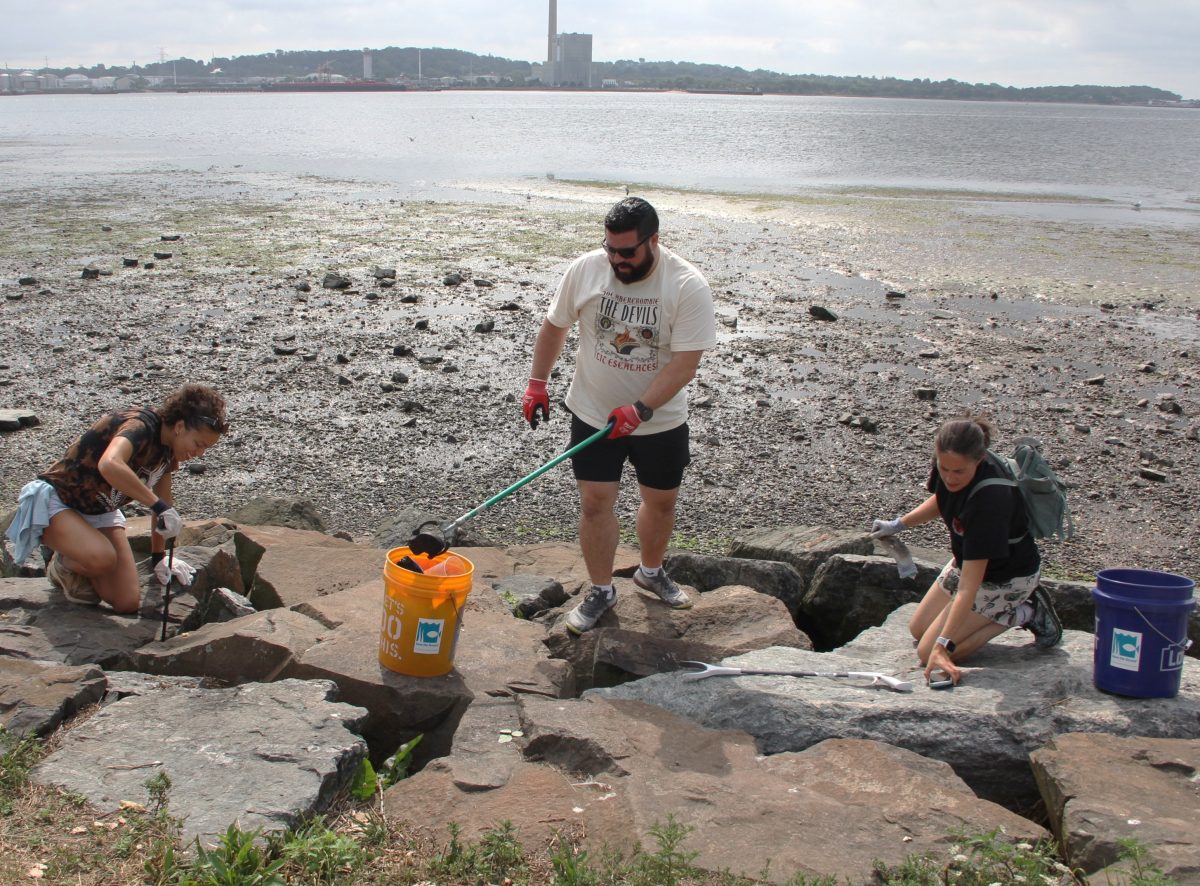
The campaign by Connecticut Sea Grant and Save the Sound consists of beach cleanups and public messaging about avoiding single-use plastics and reducing the flow of all debris into Long Island Sound. It begins Aug. 8 with a cleanup of Fort Trumbull State Park and the surrounding New London neighborhood —a fitting location given the fort’s role in the Revolutionary War and the nation’s 250th anniversary—and will end Sept. 19 (International Coastal Cleanup Day) with a cleanup on Long Wharf Drive in New Haven.
In his book, Paré-Poupart describes the rough comradery he shares with his co-workers, the daily hazards of injury by nails or glass, flies in the summer, ice in the winter and smells all year long that he has become immune to but carries with him after his workday is done. The physical tolls of the job are many.
Yet Paré-Poupart takes pride in his work as an expression of an ethic he wishes more people would espouse.
“I have the soul of a ragpicker,” he writes.
He regularly finds items in the trash to keep or sell. He considers himself a devotee of freeganism, which advocates rescuing, repairing or sharing cast-offs as an act of protest against consumerism. Two decades of close contact with the excessive waste output of capitalist culture have made him so. He doesn’t view our current throwaway habits as a fait accompli, though. We can and should do better. Folk singer Pete Seeger perhaps laid out the challenge best in the chorus to his 1969 song, “Garbage”:
Garbage (garbage, garbage, garbage) Garbage!
We’re filling up the sea with garbage (garbage…)
What will we do when there’s no place left
To put all the garbage? (garbage…)
I hope you will join us in volunteering at Fort Trumbull Aug. 8, or at another of the many cleanups during the #DontTrashLISound campaign. If you can’t make a cleanup, pick up litter in your own community. But let’s also think about what we can do to produce less trash and give some love to the Simon Paré-Pouparts of our neighborhoods.
To register for the Aug. 8 cleanup at Fort Trumbull State Park, 90 Walbach St., New London, or another cleanup, visit: https://www.savethesound.org/2026cleanups/. Trash buckets, gloves and grabbers will be provided.
The article can be found in The Day at: https://theday.com/news/910665/what-if-there-were-no-trash-to-pick-up/;
in The Connecticut Mirror at: https://ctmirror.org/2026/07/29/what-if-there-were-no-trash-to-pick-up/;
and in Connecticut Hearst newspapers at: https://www.ctinsider.com/opinion/article/connecticut-sound-trumbull-groton-22369040.php.